

Technology / 04
Hardware for data, capacity & infrastructure.
Servers, storage systems, NAS, drives, backup hardware and server components — specified against workload, capacity, resilience requirements and the environment they have to join.
- SERVERS
- STORAGE
- NAS
- SSD
- BACKUP HARDWARE
Coverage
What sits inside this category.
Infrastructure hardware is unforgiving about assumptions. What it connects to, what it has to sustain and what the business expects when something fails all belong in the specification.
- SERVERS Server hardware selected against the workload it has to sustain.
- STORAGE SYSTEMS Shared capacity sized on real data growth, not a round figure.
- NAS Network-attached storage for shared access across a site.
- SSD STORAGE Where throughput and responsiveness drive the requirement.
- HARD DRIVES Bulk capacity where cost per terabyte matters more than speed.
- BACKUP HARDWARE The physical equipment a backup arrangement runs on.
- SERVER COMPONENTS Memory, drives and expansion parts for existing hardware.
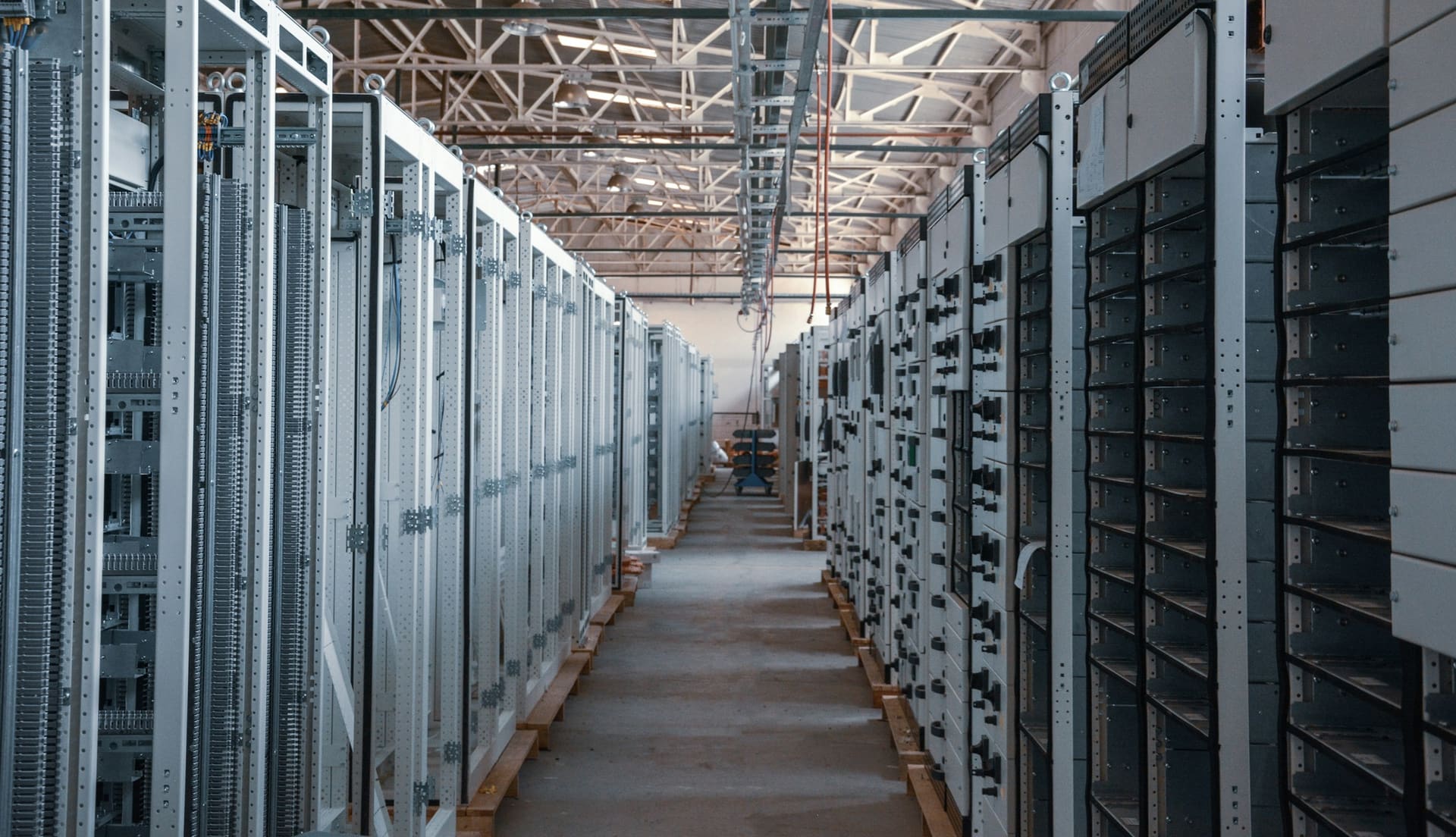
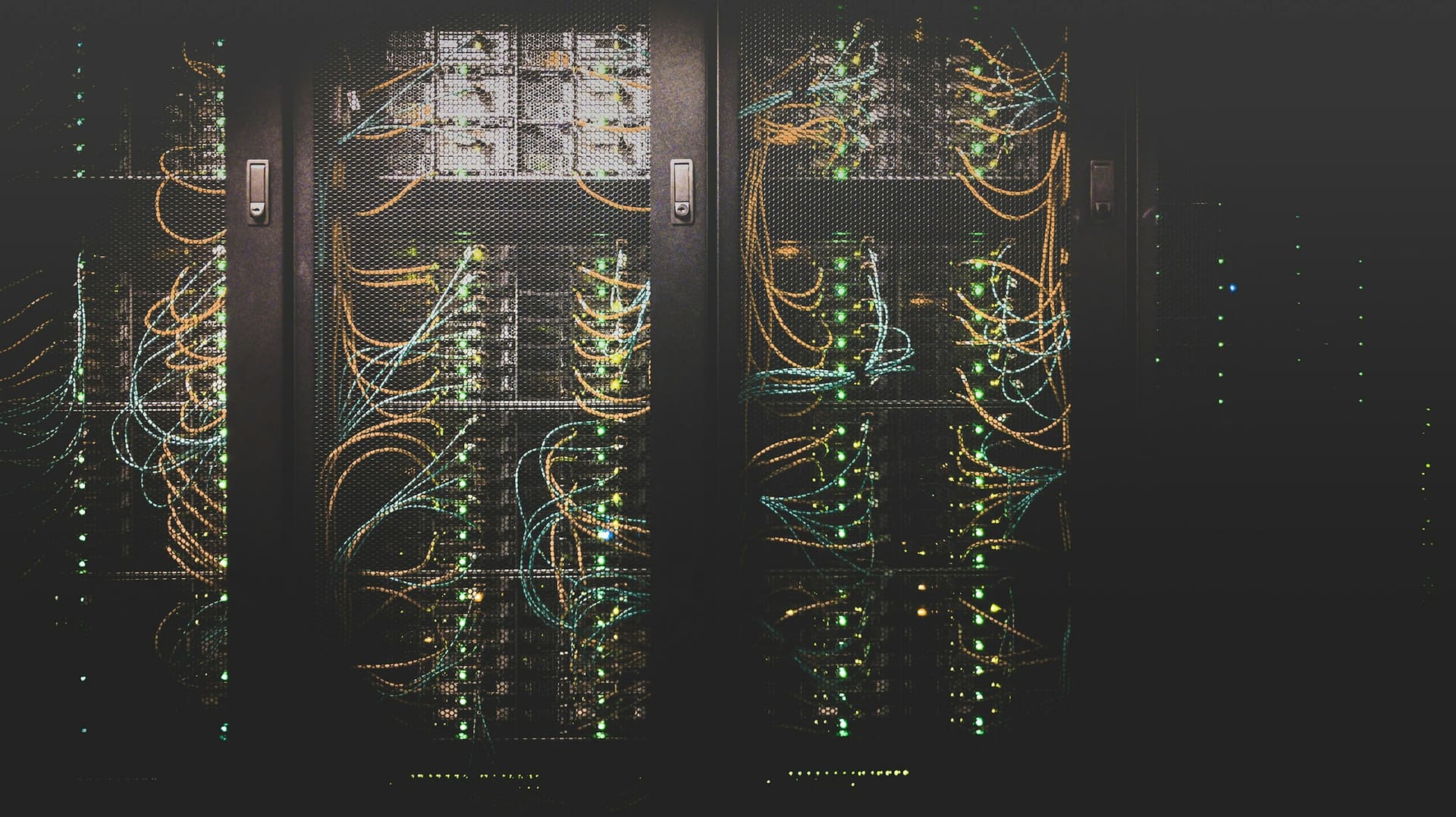
Capacity requirement
Five questions before a capacity figure means anything.
A terabyte number on its own is not a requirement. These five stages turn it into something that can be specified and sourced.
- 01 WORKLOAD What the system is actually being asked to carry, and when the peaks are.
- 02 CAPACITY Current data, realistic growth and the point at which it becomes a problem.
- 03 PERFORMANCE Throughput and responsiveness under real concurrent use.
- 04 RESILIENCE What the business needs to happen when a component fails.
- 05 CONNECTIVITY The network path between the storage and the people using it.
Text version: capacity requirement sequence
1. WORKLOAD — What the system is actually being asked to carry, and when the peaks are. 2. CAPACITY — Current data, realistic growth and the point at which it becomes a problem. 3. PERFORMANCE — Throughput and responsiveness under real concurrent use. 4. RESILIENCE — What the business needs to happen when a component fails. 5. CONNECTIVITY — The network path between the storage and the people using it.
Infrastructure hardware
Infrastructure starts with capacity, workload & resilience requirements.
Server and storage hardware is rarely bought in isolation. What it connects to, what it has to sustain and what happens when a component fails all sit inside the specification.
- 01 COMPUTE
Server hardware sized to the workload it has to carry.
- Servers
- Server components
- 02 STORAGE
Capacity, throughput and resilience requirements.
- NAS
- SSD storage
- Hard drives
- Backup hardware
- 03 NETWORK
The path between storage and the people using it.
- Switching
- Uplinks
- Cabling
- 04 CLIENT DEVICES
What actually reads and writes the data day to day.
- Workstations
- Laptops
- Shared devices
Text version: infrastructure architecture
A four-stage chain runs left to right: 01 COMPUTE (servers and server components), 02 STORAGE (NAS, SSD storage, hard drives, backup hardware), 03 NETWORK (switching, uplinks, cabling) and 04 CLIENT DEVICES (workstations, laptops, shared devices). Each stage feeds the next.
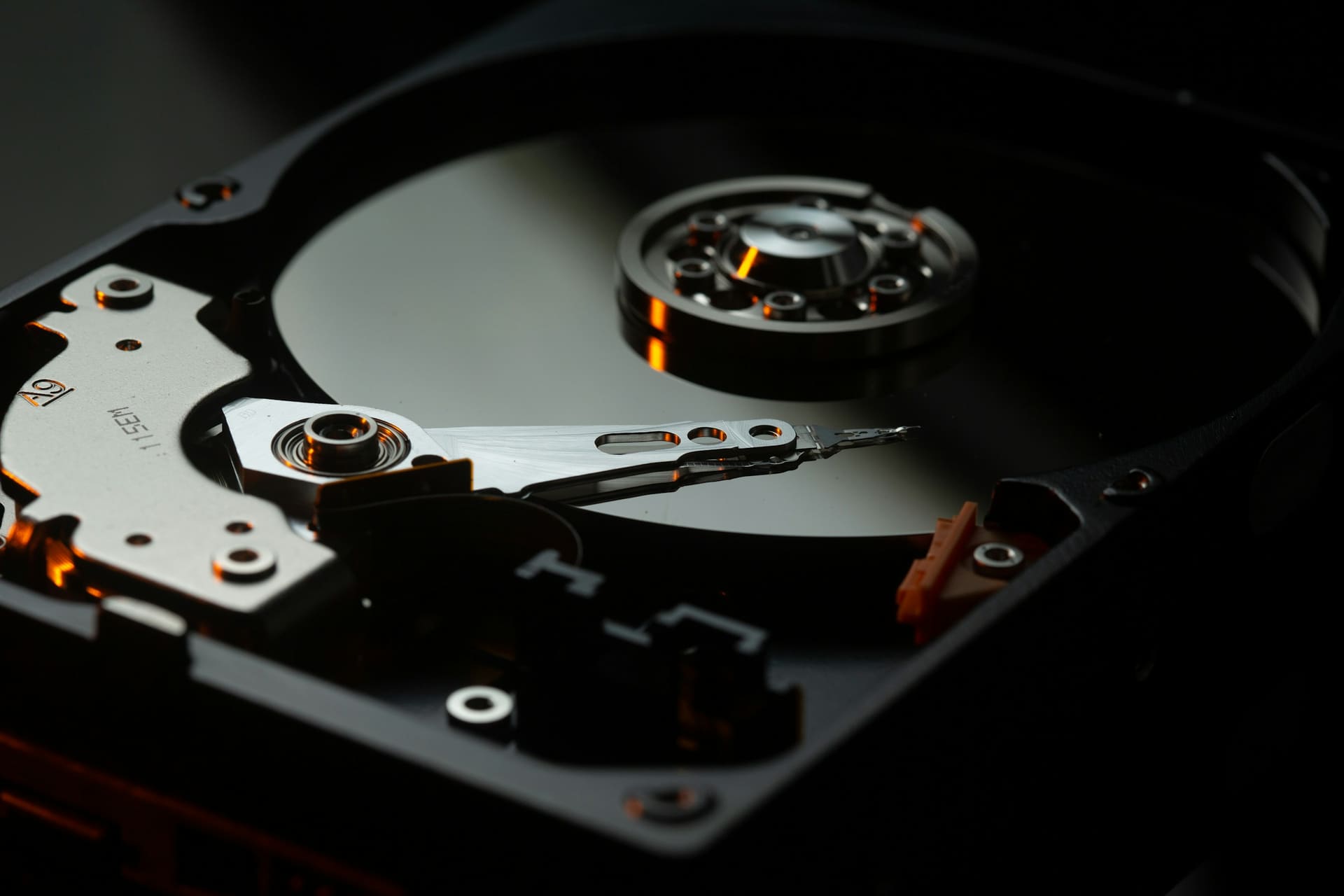
Infrastructure in context
-
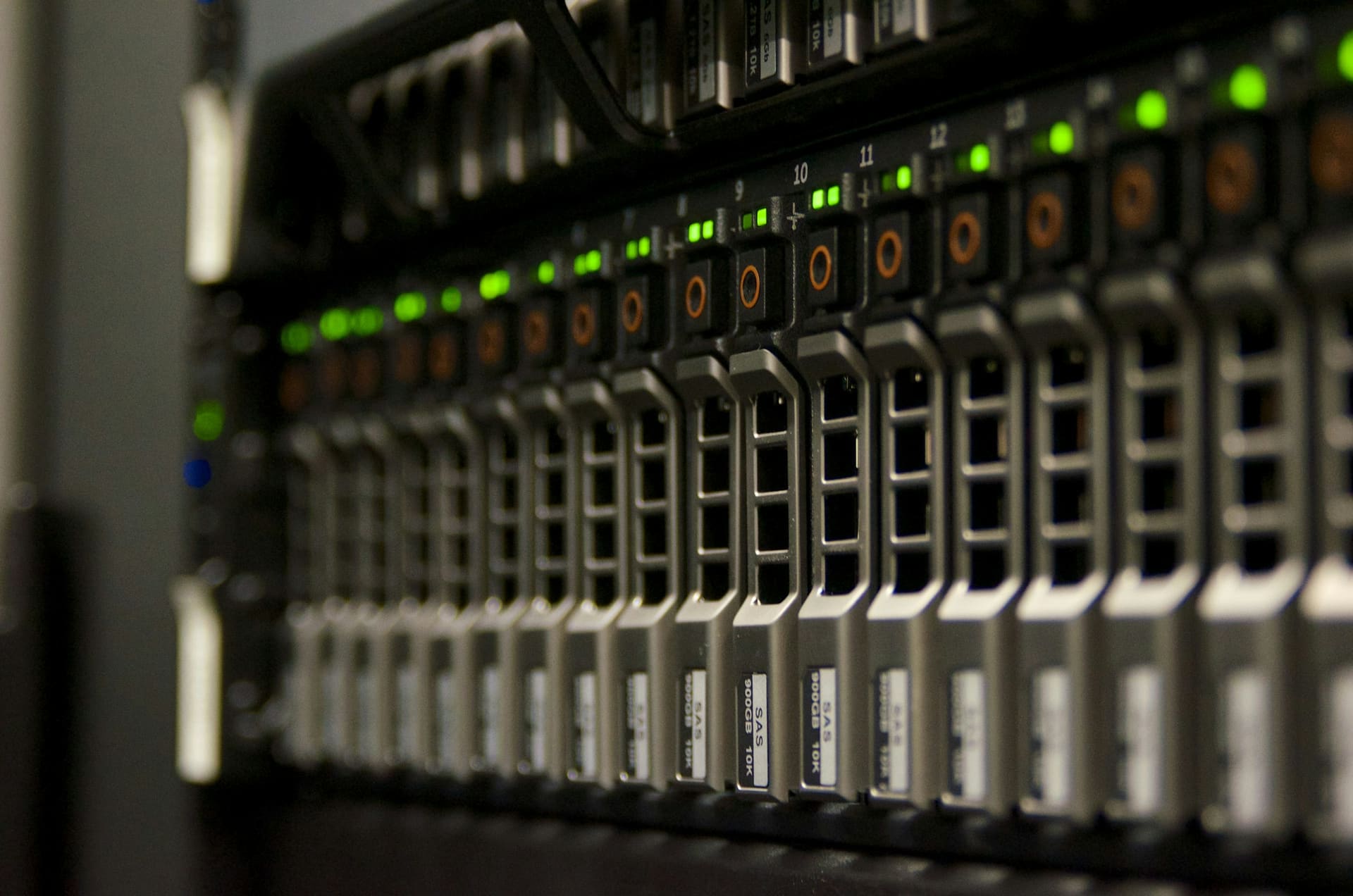
Racked infrastructure -

Structured cabling -
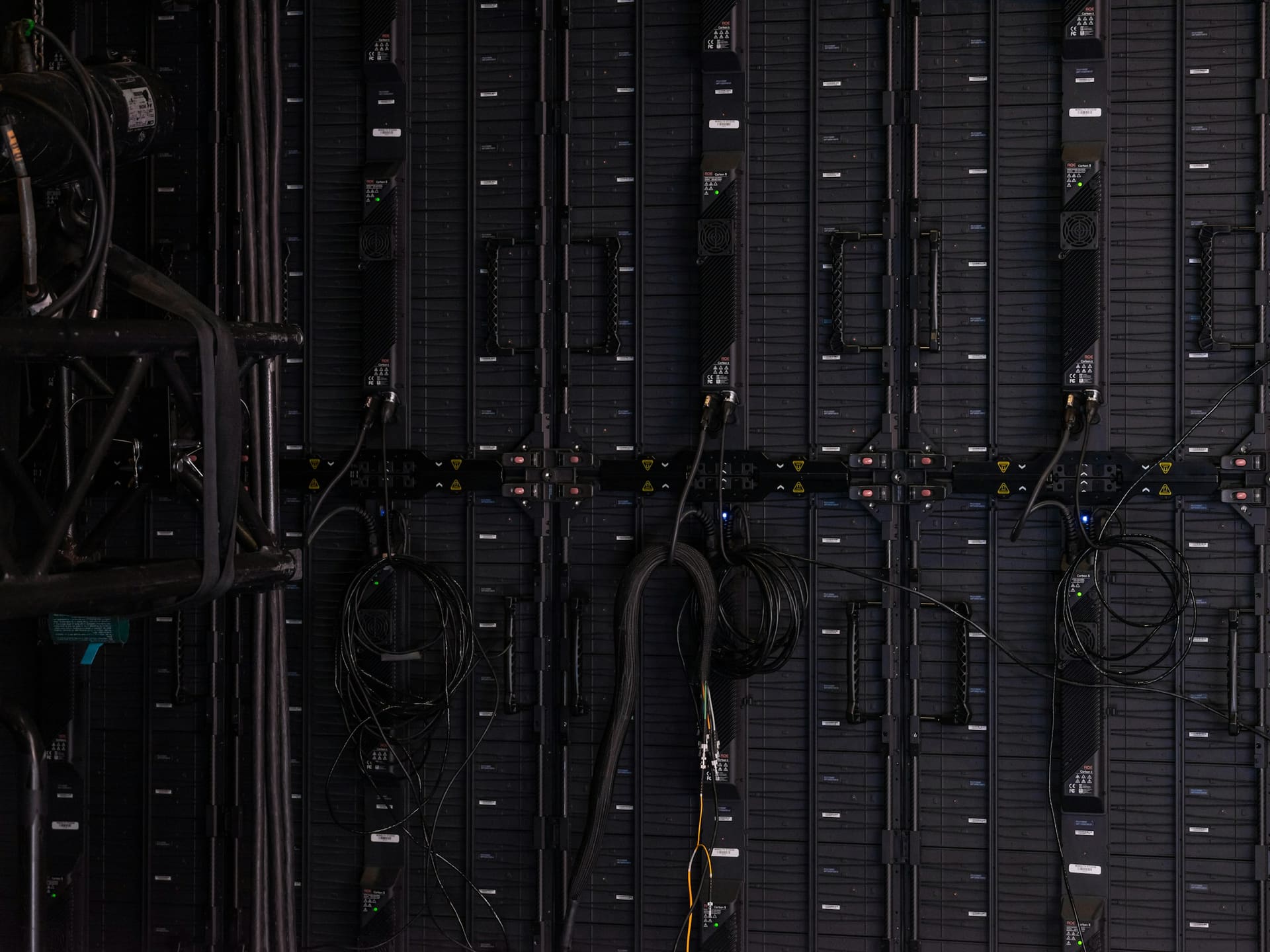
Storage media

Technology enquiry
Describe the workload and the environment.
Capacity, concurrency, resilience expectations and what the hardware has to join are the useful starting points.
- WORKLOAD
- CAPACITY
- PERFORMANCE
- RESILIENCE
- CONNECTIVITY
- QTY